
Maasai Shuka for Sale in Kenya
The Maasai shuka is one of the most recognizable traditional fabrics associated with the Maasai people of Kenya and Tanzania. Known for its bold colours, distinctive patterns, warmth, and versatility, the shuka has become an important part of traditional Maasai clothing while also attracting interest from tourists, fashion designers, photographers, event organizers, outdoor enthusiasts, and people looking for unique African fabrics.
Today, Maasai shukas are available in different weights and finishes, including Maasai Shuka & Heavy Fleece, Maasai Shuka & Light Fleece, and Heavy Maasai Shuka. The different options make it possible to choose a shuka depending on the weather, intended use, level of warmth required, and personal preference.
Whether you are looking for a Maasai shuka for traditional wear, outdoor activities, cultural events, gifting, photography, home use, or resale, understanding the different types can help you choose the right one.
What Is a Maasai Shuka?
A Maasai shuka is a rectangular piece of woven or finished fabric traditionally worn by Maasai communities in East Africa. It is commonly associated with Kenya and Tanzania and is recognized for its vibrant colours, checks, stripes, and geometric patterns.
The fabric can be wrapped around the body in different ways depending on the occasion and the individual’s preference. It can provide warmth and protection from the elements while also forming an important part of traditional dress.
Although the term “shuka” is strongly associated with Maasai clothing, modern shukas are produced in various fabrics, weights, colours, and patterns. This means that not every commercially available fabric marketed as a Maasai shuka is identical in construction or intended for the same purpose.
Why Is the Maasai Shuka So Popular?
One of the main reasons the Maasai shuka remains popular is its combination of cultural identity, practicality, colour, and versatility.
Traditional Maasai clothing is immediately recognizable, and the shuka has become an important visual representation of East African culture. Beyond traditional use, modern shukas are also popular because they can be used as wraps, blankets, photography props, decorative fabrics, outdoor covers, and fashion accessories.
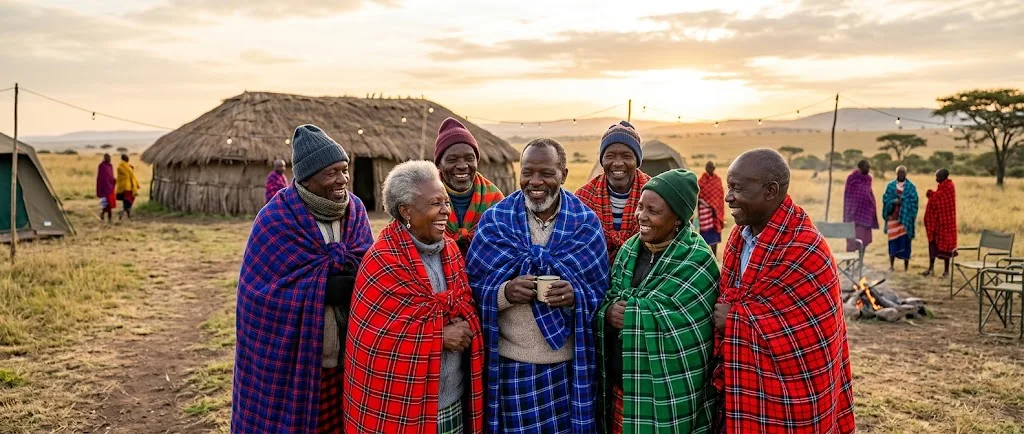
The bright colours and striking patterns also make shukas particularly attractive for cultural events, African-themed occasions, tourism-related activities, and creative photography.
For businesses, institutions, tour operators, cultural groups, and event organizers, buying shukas in bulk can also be a practical way to provide coordinated traditional attire or create a strong African-inspired visual theme.
What Are the Different Types of Maasai Shuka?
Not all shukas have the same thickness or warmth. Some are lightweight and suitable for relatively warm conditions, while others have a fleece layer or heavier construction for colder weather.
1. Maasai Shuka & Heavy Fleece
The Maasai Shuka & Heavy Fleece option is designed for people looking for additional warmth. It combines the recognizable appearance of a Maasai-style shuka with a heavier fleece component.
Because of its increased warmth, this type can be useful during cold mornings, chilly evenings, outdoor activities, camping, travel, and other situations where a lightweight fabric may not provide sufficient insulation.
Heavy fleece shukas can also be useful as warm blankets or wraps at home, especially during colder weather.
If warmth is your priority, a heavy fleece option is generally more suitable than a lightweight shuka.
2. Maasai Shuka & Light Fleece
The Maasai Shuka & Light Fleece provides a balance between the traditional shuka appearance and moderate warmth.
It is lighter than a heavy-fleece option, making it easier to carry and wrap around the body. This can make it particularly practical for travel, outdoor events, cultural occasions, photography, and everyday use.
For someone who wants a shuka that provides some warmth without feeling excessively heavy, light fleece can be a convenient choice.
3. Heavy Maasai Shuka
A Heavy Maasai Shuka is a thicker and more substantial version designed for people who prefer a heavier fabric.
Heavy shukas can be particularly useful in colder environments, during outdoor activities, or when the fabric needs to provide more coverage and warmth.
They can also work well as blankets, large wraps, camping covers, or traditional clothing depending on their size and construction.
Is a Maasai Shuka Warm?
Yes, a Maasai shuka can provide warmth, but the amount of warmth depends on the fabric, thickness, construction, and whether it has a fleece backing.
A lightweight shuka is more suitable for moderate temperatures, while a Heavy Maasai Shuka or heavy fleece-backed version can provide considerably more warmth.
When shopping for one, don’t look at the pattern alone. Ask about the material and weight if warmth is important to you.
What Can a Maasai Shuka Be Used For?
A Maasai shuka is surprisingly versatile. Some of the most common uses include:
- Traditional Maasai-inspired clothing
- Cultural events and celebrations
- African-themed events
- Outdoor blankets
- Travel wraps
- Camping blankets
- Picnic covers
- Photography props
- Tourist souvenirs
- Cultural performances
- Traditional ceremonies
- Fashion styling
- Home decoration
- Gifts
- Event costumes
- Outdoor seating covers
The best option depends on how you intend to use it.
For example, someone buying a shuka for photography may prioritize colour and pattern, while someone buying one for camping may be more interested in thickness and warmth.
Can You Use a Maasai Shuka as a Blanket?
Yes. Many people use shukas as blankets or large wraps because of their rectangular shape and generous coverage.
A heavier shuka can be particularly useful as an outdoor blanket during camping, picnics, travel, sporting events, or cool evenings.
However, the size and thickness should be considered before purchasing. If you specifically want a blanket, choose a shuka that offers enough coverage for your intended use.
Can You Wear a Maasai Shuka?
Yes. Shukas can be wrapped around the body as traditional or Maasai-inspired clothing.
The way a shuka is worn can vary depending on cultural practice, personal preference, occasion, and the specific community or setting.
For cultural events or performances, it is important to approach traditional clothing respectfully and avoid presenting a simplified costume as representing all Maasai people or all East African cultures.
Are Maasai Shukas Suitable for Cold Weather?
Some are.
A standard lightweight shuka may provide only moderate warmth, whereas a Heavy Maasai Shuka or a shuka with heavy fleece is better suited to colder conditions.
For particularly cold weather, consider the fabric thickness and fleece backing rather than choosing solely based on colour or design.
A heavy fleece-backed shuka can be useful for:
- Cold mornings
- Cool evenings
- Camping
- Outdoor events
- Travel
- Safari trips
- Open-air ceremonies
- Outdoor photography
What Should You Consider When Buying a Maasai Shuka?
Before buying a Maasai shuka, consider the following factors.
Fabric and Material
The material affects softness, warmth, durability, weight, and ease of care.
If you want warmth, look for a heavier fabric or fleece-backed option.
Weight
The weight of the shuka is particularly important if you intend to carry it while travelling.
A light fleece shuka may be easier to pack, while a heavy fleece or Heavy Maasai Shuka may provide more warmth but take up more space.
Size
Think about how you intend to use the shuka.
If you want it as a wrap, clothing item, or travel blanket, check that the dimensions provide enough coverage.
Colour and Pattern
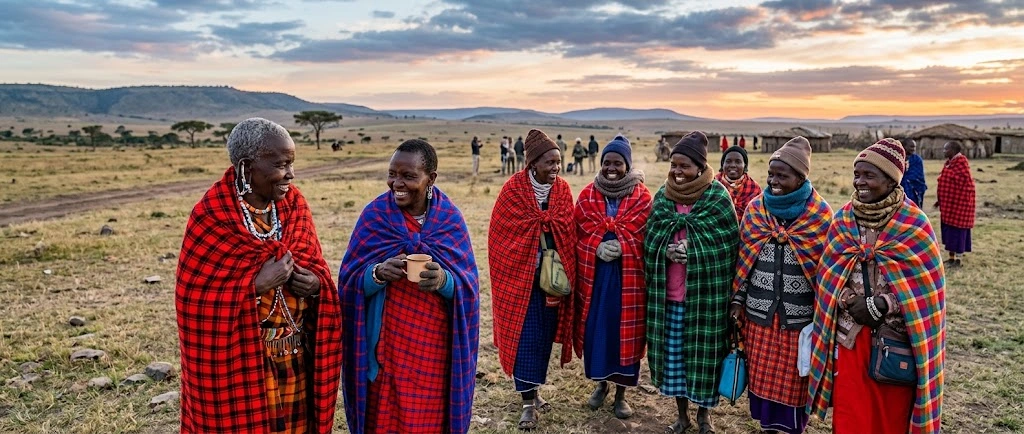
Colour is one of the most recognizable characteristics of Maasai-style shukas. Popular designs often feature contrasting colours, checks, stripes, or other bold patterns.
Choose colours according to your intended use, whether traditional, fashion-oriented, decorative, or practical.
Durability
If you plan to use your shuka outdoors, durability becomes particularly important. Look for well-finished fabric and strong construction that can withstand regular handling.
Ease of Maintenance
A shuka used frequently should be relatively easy to clean and maintain. Always follow the supplier’s care instructions because cleaning requirements can differ depending on the fabric and fleece construction.
How Do You Clean a Maasai Shuka?
Cleaning instructions depend on the specific fabric.
Before washing, check the manufacturer’s or supplier’s instructions. Some fabrics may be suitable for machine washing, while others may require gentler handling.
General care considerations include:
- Check the care label before washing.
- Avoid unnecessarily harsh detergents.
- Follow the recommended water temperature.
- Avoid excessive heat where the fabric or fleece may be affected.
- Dry according to the manufacturer’s instructions.
- Store the shuka in a clean, dry place.
If the shuka has a fleece backing, take extra care because improper washing or excessive heat can affect the texture of the fleece.
Can Maasai Shukas Be Used for Camping?
Absolutely. A suitable shuka can be useful for camping, especially when additional warmth or a lightweight outdoor blanket is needed.
A heavy fleece-backed shuka can be particularly useful during chilly nights or early mornings. It can also serve as an additional layer over existing bedding.
However, a shuka should not automatically be considered a replacement for specialist cold-weather sleeping equipment. For serious outdoor conditions, use appropriate sleeping bags, insulated mats, and other equipment designed for the environment.
Are Maasai Shukas Good for Safari Trips?
They can be very useful for safari trips, especially during cooler mornings and evenings.
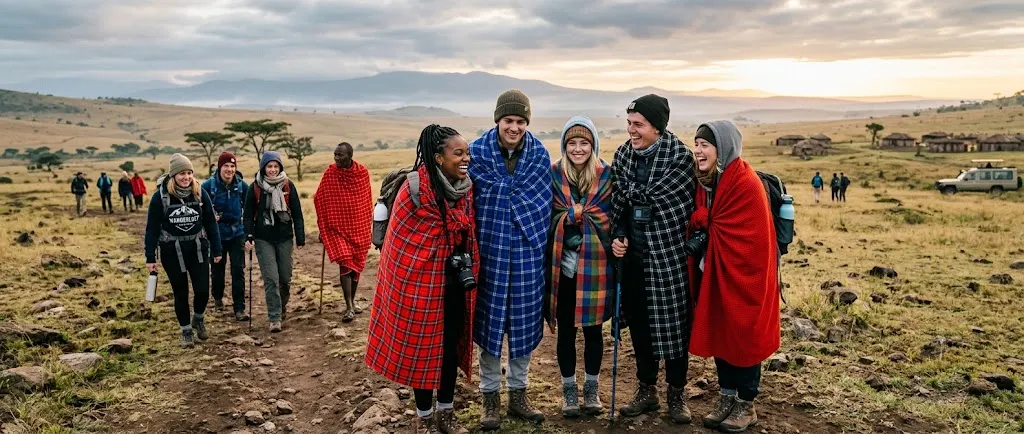
Kenyan safari destinations can experience significant temperature differences between daytime and nighttime. A shuka is easy to carry and can be used as a wrap or extra layer when temperatures drop.
It can also make a practical and memorable souvenir from a trip to Kenya.
For travellers, a light fleece option can offer a good balance between warmth and portability, while a heavy fleece version is better if warmth is the main priority.
Can I Buy Maasai Shukas in Bulk?
Yes. Bulk purchases can be useful for organizations, tour operators, event planners, cultural groups, photographers, retailers, schools, hospitality businesses, and companies organizing African-themed events.
When purchasing in bulk, consider:
- Number of pieces required
- Available colours and patterns
- Fabric weight
- Fleece type
- Size
- Packaging
- Branding requirements, where applicable
- Delivery location
- Wholesale pricing
- Availability of different designs
If you are a retailer, it is also useful to stock different weights and colour combinations so customers can choose according to their needs.
What Is the Difference Between Heavy Fleece and Light Fleece Maasai Shuka?
The main difference is the amount and weight of fleece used.
Heavy fleece is designed to provide greater warmth and a thicker feel. It is suitable for colder environments, camping, outdoor events, and people who prefer substantial coverage.
Light fleece provides moderate warmth while remaining lighter and easier to carry. It is suitable for travel, cool evenings, cultural events, photography, and general use.
Therefore, the best option depends on whether you prioritize maximum warmth or lighter portability.
How Much Does a Maasai Shuka Cost?
The price of a Maasai shuka can vary depending on several factors, including:
- Fabric type
- Weight
- Size
- Fleece backing
- Quality
- Design and pattern
- Quantity purchased
- Supplier
- Retail versus wholesale purchase
A basic lightweight option will not necessarily cost the same as a heavy fleece-backed shuka.
If you are comparing prices, make sure you are comparing similar sizes, materials, and weights. A cheaper shuka may not offer the same thickness or durability as a premium heavy-fleece option.
Where Can I Buy a Maasai Shuka in Kenya?
Maasai shukas are available from various fabric, clothing, souvenir, textile, and general merchandise suppliers in Kenya.
When choosing a supplier, consider more than price. Look at the fabric quality, available sizes, colour selection, consistency of stock, and whether the supplier can accommodate wholesale orders.
If purchasing online, ask for clear product photographs and confirm the dimensions, material, weight, and fleece type before placing a large order.
Is a Maasai Shuka Only for Maasai People?
The shuka has strong cultural associations with Maasai communities, but shuka-style fabrics are also widely purchased and used by people outside the Maasai community.
If you are wearing one for a cultural event, fashion shoot, tourism activity, or other occasion, it is worth learning about its cultural significance and treating the tradition respectfully.
The Maasai shuka is more than just a colourful piece of fabric. Its connection to East African culture is part of what makes it distinctive and valuable.
Why Choose the Right Maasai Shuka?
Choosing the right shuka can make a significant difference depending on what you want to use it for.
If you want something lightweight and easy to carry, consider Maasai Shuka & Light Fleece.
If you need greater warmth for cold weather, outdoor activities, camping, or cool evenings, Maasai Shuka & Heavy Fleece may be the better choice.
If you prefer a thick and substantial fabric, a Heavy Maasai Shuka can provide the coverage and weight you are looking for.
Rather than choosing based only on appearance, consider material, size, weight, warmth, durability, intended use, and maintenance requirements.
Ready to Buy? Choose the Right Maasai Shuka for Your Needs
A Maasai shuka combines cultural significance, distinctive East African style, practicality, and versatility. Whether you need one for traditional wear, a cultural event, travel, safari, camping, photography, gifting, home use, or resale, there are different options to suit different needs.
The Maasai Shuka & Heavy Fleece is ideal when warmth is a priority, while the Maasai Shuka & Light Fleece offers a lighter alternative for moderate warmth and portability. For those looking for a thicker and more substantial option, the Heavy Maasai Shuka is worth considering.
Before buying, always check the fabric, size, weight, fleece type, colour, durability, and care requirements. For bulk buyers, it is also important to confirm availability, pricing, consistency of quality, and delivery arrangements.
Whether you are searching for a traditional African textile, a practical outdoor wrap, a warm blanket, a cultural event accessory, or a unique gift, the right Maasai shuka can offer both practical value and a strong connection to East African style and heritage.
